
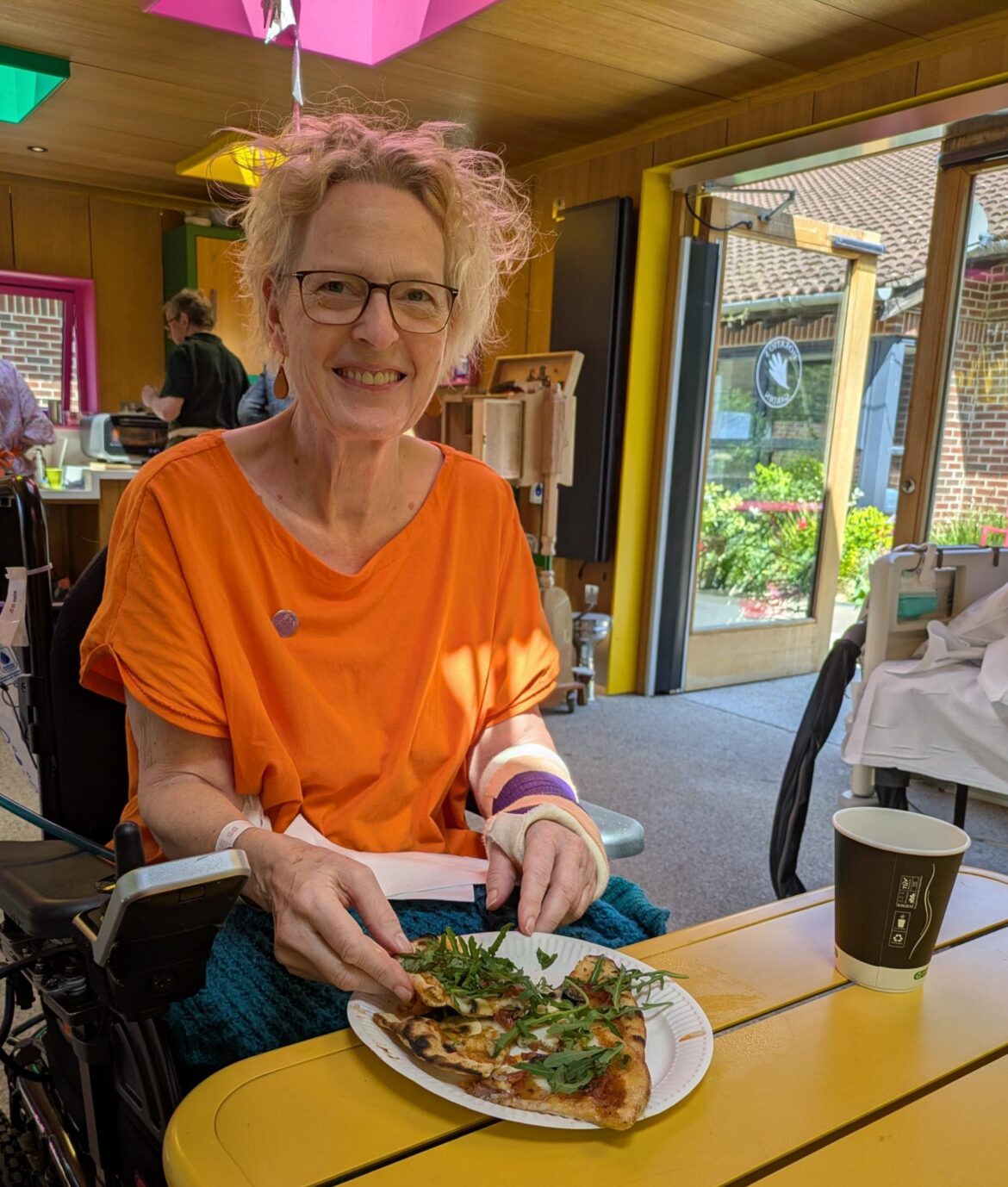
How Patient Led Design is Supporting Spinal Cord Injury Patients
Every year in the UK, around 4,500 people experience a spinal cord injury (SCI). It’s a moment that divides life into a “before” and an “after”, something our Managing Director Colin’s sister Jackie faced earlier this year after a devastating horse riding accident that left her with life changing injuries.
Jackie loved movement from cycling, walking to being outdoors. In an instant, her world changed. And like so many SCI patients, she found herself grieving the life she once lived while trying to understand what her new future might look like. Her family quickly realised that the effects of an SCI reach far beyond the medical. They reshape the rhythms of daily life, the way a person moves through their home, and the way familiar objects suddenly become unfamiliar.
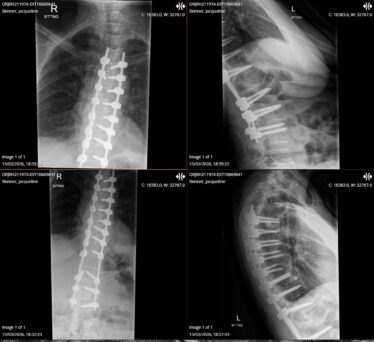
Jackie’s spinal cord injury Xray’s
When everyday tasks become emotional milestones
Our homes are meant to be our safe place. The backdrop to our routines, our comforts, our independence. But after an SCI, even the simplest tasks can become emotional milestones. Hanging up clothes. Reaching for a favourite jumper. Opening a wardrobe door.
These moments matter. They’re not just practical; they’re symbolic. They help rebuild confidence, mental health, identity, and a sense of normality.
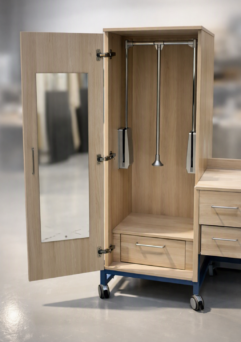
That’s why, a few years ago, we designed a specialist wardrobe for wheelchair using patients at the Royal National Orthopaedic Hospital in Stanmore. We didn’t start with a product. We started with people. Listening to their frustrations, their hopes, and the tiny details that would help them feel more like themselves again.
Design can be a quiet companion in recovery
Design that restores dignity
The wardrobe looked familiar on purpose. It wasn’t clinical. It wasn’t complicated. It was an everyday object, re imagined so it could be used in a new way.
Through patient conversations and hands?on testing, the design evolved to include:
- Lowered, forward reaching hanging rails accessible from a seated position
- Side opening doors that didn’t obstruct wheelchair movement
- A gentle pull down mechanism for those with reduced upper body strength
- Clear sightlines so patients could see their belongings without straining
- Easy grip handles designed for hands that might not work the way they used to
It wasn’t just a piece of joinery. It was a small step toward independence. A way for patients to reconnect with everyday routines that suddenly felt out of reach.
And although this wardrobe was created for Stanmore, the principles behind it can be adapted for any rehab centre, hospital ward, or home. That’s the beauty of patient led design: it’s bespoke, but it’s also universal. It respects individuality while solving shared challenges.
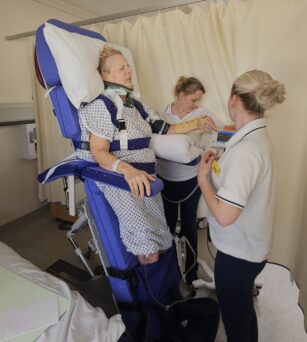
Colin’s sister Jackie faced life changing injuries.
A design that came full circle
At the time, we didn’t know that this wardrobe would one day support someone so close to home. When Jackie began her rehabilitation at Stanmore, she found herself surrounded by the very designs her brother’s company had created.
Her words say more than we ever could:
“I felt so proud at Stanmore to be able to say, ‘My brother’s company provided these’. Fellow patients were so impressed with the functionality of the wardrobes, and grateful for that little bit of independence they offered. So important at a time when you’re acutely aware of just how dependent you are on others.”
Her doctors (and family) have been amazed by her determination and progress. Seeing her journey has reminded us of something powerful: design can be a quiet companion in recovery. It can help people feel capable again. It can make a room feel safer, a task feel achievable, a day feel more hopeful.
Thoughtful environments don’t just support rehabilitation. They help rebuild identity, confidence, and the courage to keep going.
Looking ahead
We’re now exploring how to make these accessible wardrobes available for SCI patients at home, supporting the onward journey long after hospital rehabilitation ends.
If you’d like to explore bespoke joinery for your ward, rehab centre, or home or learn more about how patient led design can transform treatment outcomes